1. Introduction
Civil Defence is the organized, systematic effort to protect civilians, property, and national infrastructure during disasters, emergencies, and wartime situations.
Training and Awareness are the backbone of any successful civil defence system. Without them, even the best equipment and plans can fail.
2. What is Training in Civil Defence?
Civil Defence Training is the practical preparation given to civilians, volunteers, students, and responders to ensure they know:
- How to react in emergencies
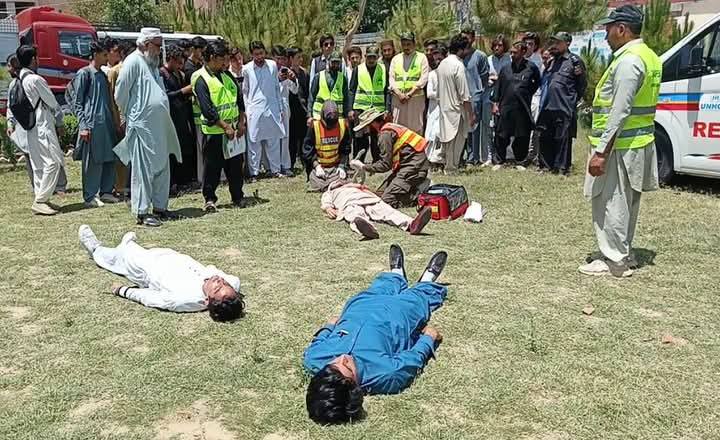
- How to protect themselves and others
- How to use basic rescue tools
- How to coordinate with authorities
- How to minimize damage and save lives
2.1 Objectives of Training
- Build practical skills for survival and rescue
- Strengthen mental preparedness in high-stress situations
- Improve coordination with official agencies
- Train volunteers as force multipliers during crises
- Ensure quick, disciplined, and safe emergency response
3. Types of Civil Defence Training
3.1 Basic Training
Given to the general public, students, communities, and volunteers.
Includes:
- Fire safety & small fire extinguishing
- First aid & CPR
- Evacuation techniques
- Awareness of warning systems
- Earthquake protection (Drop, Cover, Hold)
- Shelter-in-place procedures
3.2 Specialized Training
For wardens, post-wardens, rescue teams, and volunteer leaders.
Includes:
- Search & rescue operations
- Rope rescue, ladder rescue
- Casualty handling & triage
- Debris management
- Use of civil defence equipment
- Map reading & communication codes
- Crowd management and control
3.3 Advanced / Professional Training
For officers and professionals:
- Disaster management planning
- Emergency operations center (EOC) management
- Chemical, biological, radiological (CBR) events
- Incident command system (ICS)
- Risk assessment and mitigation planning
4. What is Awareness in Civil Defence?
Awareness is the knowledge and mindset that helps civilians understand:
- What disasters can happen
- How to identify warning signs
- How to prepare their homes and families
- How to react safely during emergencies
- How their actions can reduce loss
Awareness transforms a panic-stricken crowd into an organized, responsible community.
5. Importance of Training & Awareness
5.1 Saves Lives
A trained person reacts confidently; an untrained person panics.
A few seconds of correct action can prevent dozens of deaths.
5.2 Reduces Damage
Aware communities protect buildings, documents, vehicles, and property in time.
5.3 Strengthens National Security
Civil Defence supports the army internally during war—trained civilians reduce chaos.
5.4 Trained Civilians = Force Multipliers
One skilled volunteer can guide and save 20–30 people in a crisis.
5.5 Builds Community Resilience
Prepared communities recover faster after disasters.
6. Key Components of Civil Defence Training & Awareness
6.1 Drills & Mock Exercises
- Fire drills
- Earthquake drills
- First aid simulations
- Mass evacuation practice
- Air raid alarm drills
These exercises help people experience emergency situations in a controlled environment.
6.2 Public Awareness Campaigns
- Posters, banners, seminars
- Radio & TV awareness
- School and college awareness programs
- Social media campaigns
- Distribution of Do’s & Don’ts flyers
6.3 Community Preparedness Programs
- Neighborhood safety teams
- Women & children safety education
- Training for schools & universities
- Training for shopkeepers, drivers, and industrial workers
6.4 Household Preparedness Awareness
Citizens should know:
- Emergency kit preparation
- Water & food storage
- Safe room preparation
- How to switch off gas/electricity
- How to secure documents
- Family evacuation plan
7. Training Modules in Civil Defence
7.1 Fire Safety Training
- Types of fires
- Types of extinguishers
- How to extinguish a small fire
- Door-checking technique
- Smoke movement & safe exit
7.2 First Aid & Medical Training
- CPR
- Bleeding control
- Shock management
- Fracture handling
- Snake bite & burn management
7.3 Search & Rescue Training
- Rescue from collapsed structures
- Carrying injured persons
- Rope rescue basics
- Lifting and moving debris
- Communicating during rescue
7.4 Communication & Coordination
- Emergency communication channels
- Whistle codes
- Hand signals
- Radio communication basics
7.5 Wartime Civil Defence Awareness
- Understanding air raid sirens
- Taking shelter quickly
- Blackout procedures
- Protection from shrapnel & debris
- Safe movement during aerial attacks
8. Role of Students and Youth
Youth are the most powerful civil defence force because:
- They are energetic
- They learn quickly
- They can guide others
- They can form volunteer groups in universities
Youth training includes:
- Discipline
- Leadership
- Team coordination
- Rescue & evacuation
- Awareness spreading
9. Role of Volunteers in Civil Defence
Volunteers support government forces by:
- Assisting in evacuation
- Distributing relief supplies
- Managing crowds
- Supporting rescue operations
- Helping vulnerable groups (children, elderly, disabled)
- Reporting incidents quickly
10. Conclusion
Training and Awareness are the pillars of Civil Defence.
Without proper training, even the most advanced equipment fails.
Without awareness, communities collapse under panic.
A trained and aware nation becomes:
- Resilient
- Disciplined
- Quick to respond
- Capable of protecting itself during disaster or war
Civil Defence transforms ordinary civilians into extraordinary protectors of society.